 SR
SR
 EN
EN
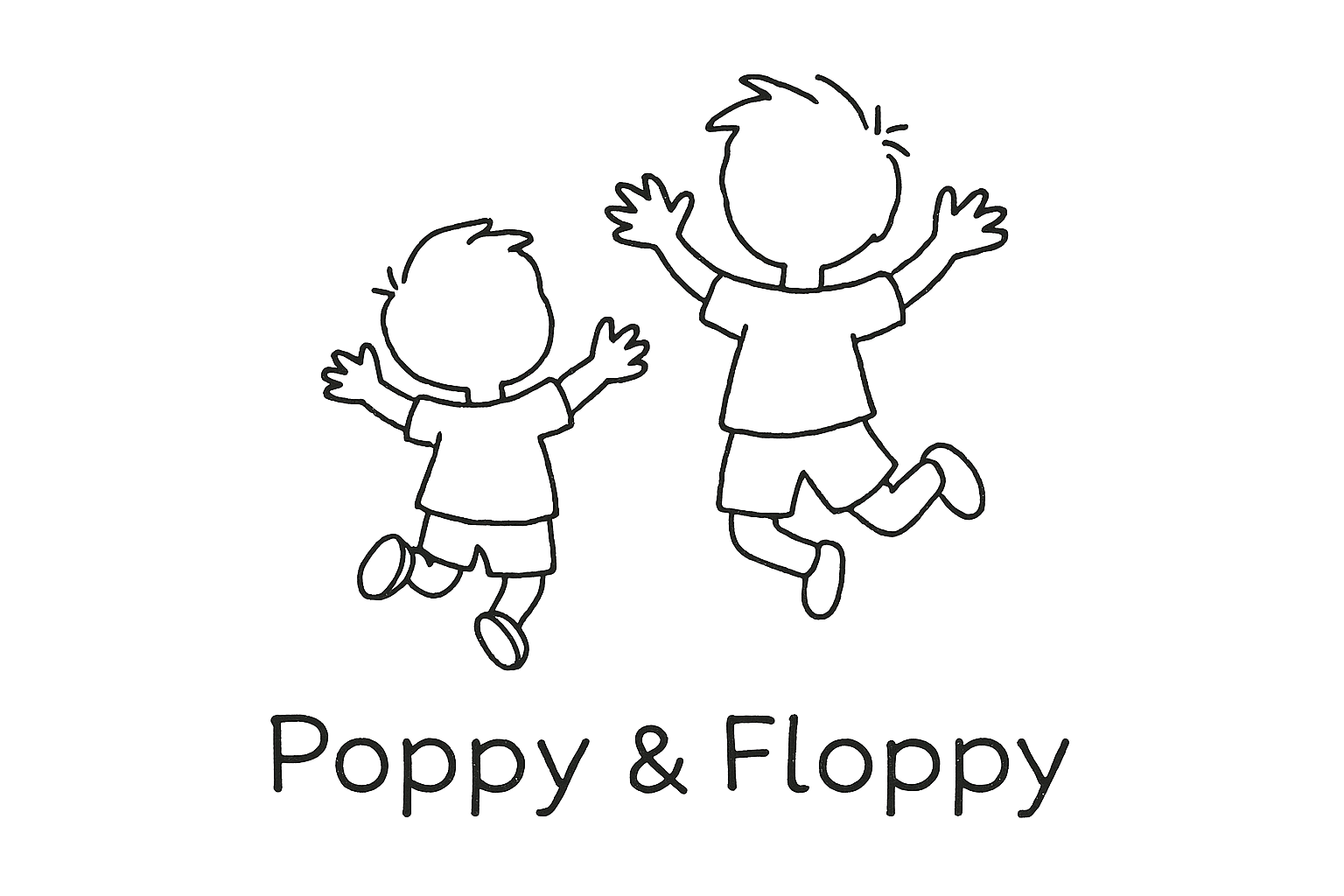
Poppy & Floppy: Stories of Empathy and Tolerance through Children's Psychodrama
In a time when it is crucial for children to learn about emotions, compassion, and mutual understanding from an early age, Just Art agency has launched a special collaboration with Maja Mijajlović – a sociologist, mother of two boys, and author of the Poppy & Floppy project.
Maja, through her personal experience of parenting and professional knowledge in sociology, developed an incredible vision: that stories about two raccoon brothers become a bridge to understanding emotions, developing empathy, and learning tolerance in children of kindergarten age.
Who are Poppy and Floppy?
Poppy and Floppy are two little raccoons growing up in the forest, in a warm home with their mom and dad. Their world is full of challenges – they go to kindergarten and preschool, hang out with other animals, learn how to share toys, how to solve conflict, how to apologize, and how to recognize their friends' feelings.
Through their adventures, children in kindergarten easily recognize their own situations: a missing toy, a fight over a ball, an accidental injury to a friend, or a moment when they need to help an elderly person. In this way, what is often difficult to explain through rules becomes clear to children through story and play.
Why Psychodrama?
Psychodrama is a specially adapted method of working with children that uses dramatization and role-playing to help them understand their own emotions and reactions. Through play, children:
- Recognize and name emotions
- Learn empathy through others' perspectives
- Develop social skills through realistic scenarios
- Build confidence in themselves and others
Why is this collaboration special?
Just Art and Maja Mijajlović share the same vision: children deserve programs that treat them as capable beings able to deeply understand the world around them. The Poppy & Floppy program is designed with attention to developmental psychology and pedagogical principles, but also with warmth and humor that make every encounter unforgettable for children.
Conclusion
Through stories about Poppy and Floppy, children learn that being a good friend isn't just about "not fighting" – it's also about asking "how are you?", sharing, waiting your turn, and saying "I'm sorry" when you make a mistake. These are the values that shape a good person, and it's never too early to start learning them.
Interested in the Poppy & Floppy program in your kindergarten?
Contact usRecommended for you
About the agency
Learn more about our vision and professional art management.
5 Key Mistakes Performers Make
Discover more tips and insights from our latest blog posts.
Strategies for Hiring Talent
Discover more tips and insights from our latest blog posts.